

Product Info
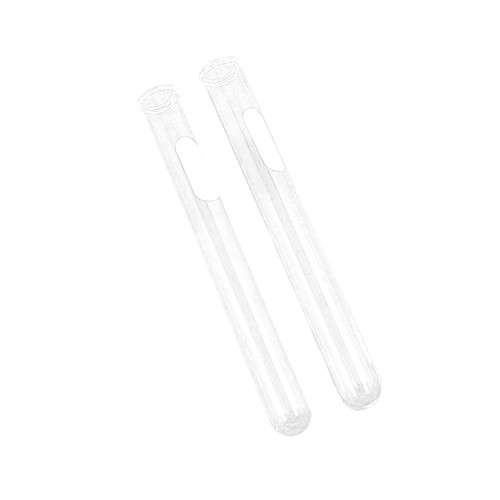
TEST TUBES
- Biologists, biochemists, and microbiologists primarily use test tubes to mix samples, make qualitative observations of reactions, and perform genetic sequencing tests of humans, plants, fungi, parasites, animals, viruses, or bacteria. Microbiologists also use test tubes to culture, identify, and store microorganisms like bacteria or fungi. When microbiologists grow bacteria in glass test tubes, the tubes are capped loosely to allow some oxygen to get into the container. A few examples of how biologists or microbiologists use test tubes include:
- Centrifuge and microcentrifuge tubes: These are capped plastic tubes with graduated markings and a conical bottom. They are used to mix or physically separate the contents of samples in a high-speed spinning device.
- PCR tubes: Microcentrifuge tubes with snap caps that hold 0.2 mL or 0.5 mL of liquid are called PCR tubes, which are used for genetic sequencing tests.
- Glass test tubes: Glass tubes are frequently used as containers for qualitative observations of chemical or biochemical reactions. When indicators are added to solutions or broth, they cause observable changes (like a color change) based on the presence or absence of certain chemicals.
- Agar culture tubes: These are usually screw-capped glass tubes filled with plant-based gelatin called agar. They are used to grow, culture, and identify bacteria in a microbiology lab.
- Broth culture tubes: These are usually screw-capped glass tubes filled with nutrient broth. They are also used to grow, culture, and identify bacteria.